
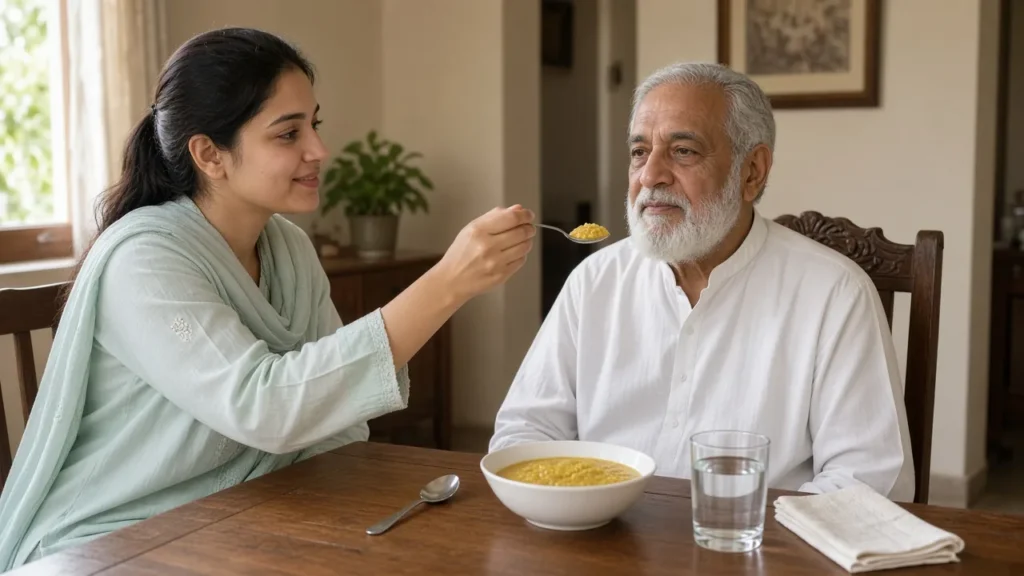
Short answer: The safest soft food for swallowing problems is food made at the exact texture level a speech therapist sets after a swallowing assessment. Daal and khichdi can be blended, mashed or served soft; yakhni and chai count as thin liquids.

Short answer: Hearing loss is linked with dementia, but research has not shown that hearing aids prevent it. In the ACHIEVE trial they helped only a higher-risk group. Hearing aids do not reverse dementia; test hearing when memory is a worry.
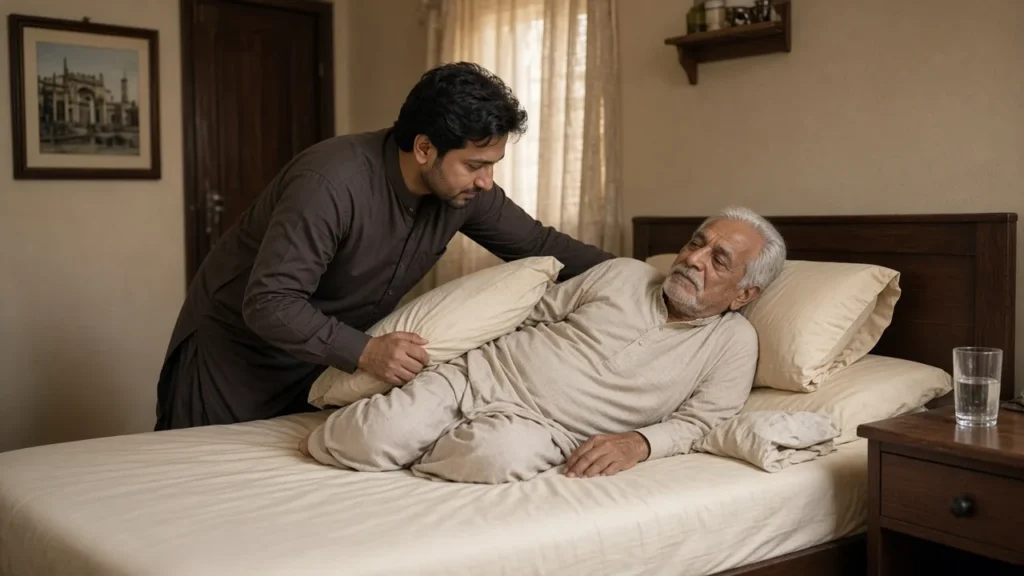
Short answer: How to prevent bedsores in a bedridden patient at home comes down to four habits: change position at least every two hours, protect the heels and bony areas with pillows, check the skin every day, and keep it clean, dry and well fed.

Physiotherapy after knee replacement at home starts with gentle exercises, short walks with a frame or crutches, and ice and a raised leg for swelling. Follow your surgeon's protocol.

Short answer: Yes, earbuds can damage your hearing if you listen loud for long. Noise-induced hearing loss is permanent but preventable. Keep the volume at or below about 60% and take breaks.

Short answer: Stuttering in children means speech interrupted by repeated sounds, stretched sounds or blocks. Many young children go through a bumpy patch and most settle, but nobody can predict which child will.
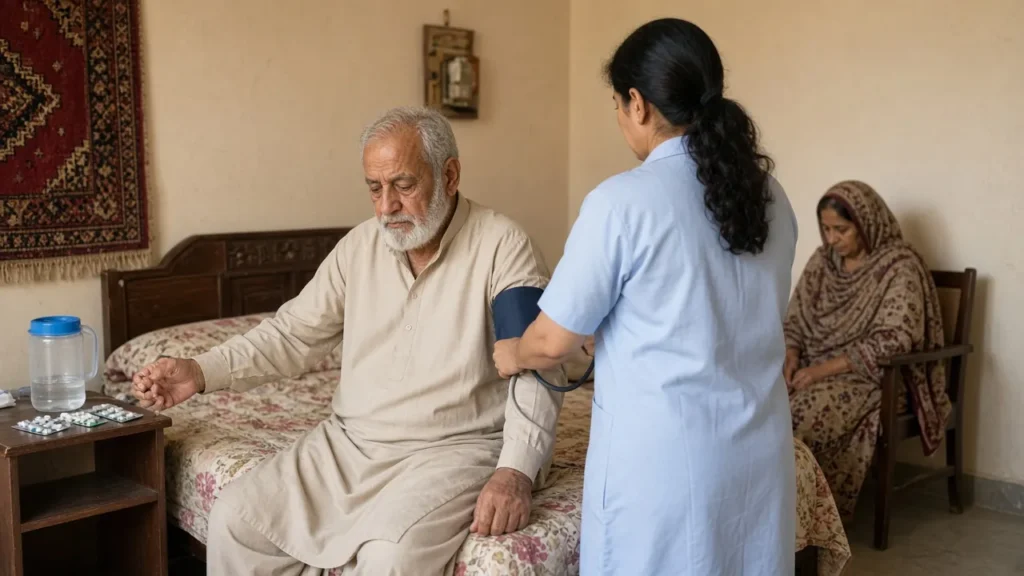
Short answer: Home nursing after hospital discharge means a nurse comes to the patient's home to carry out the doctor's plan: injections, wound and tube care, vital signs and safe daily care.

Short answer: Autism speech therapy at home helps a child understand others, show what they want, and connect through play and everyday routines, while coaching the family to do the same.

Short answer: After a stroke, a speech therapist helps with speaking, understanding language, reading, writing and safe swallowing. Therapy can continue at

Short answer: With hearing care at home, the audiologist brings portable equipment to you, so most hearing tests can be done in

Short answer: A registered home nurse provides clinical care at home: checking vital signs, changing wound dressings, giving prescribed injections and looking

Short answer: A late talker is a toddler who understands language well and is developing typically in other ways but says fewer